Gear and Safety
Wrap Weight at the Tail and Flight
How adhesive film wraps add mass at the tail of a shaft, what mil and cast mean on a spec table, and how to remove a wrap without harming the surface.
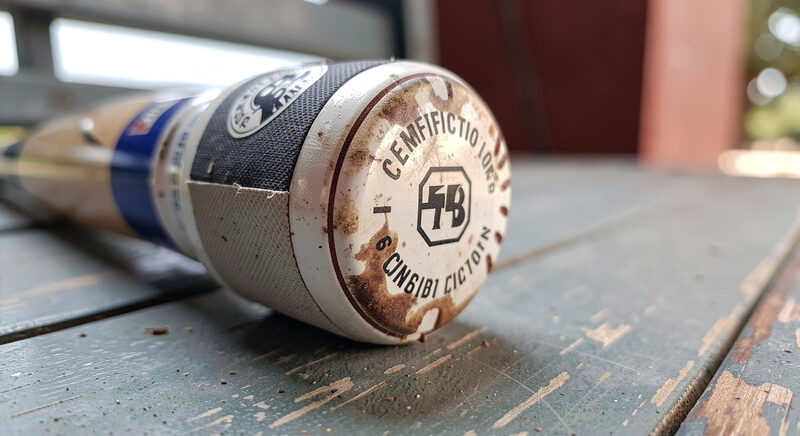
A wrap adds mass at the tail of a shaft, and that mass moves the balance point rearward. The result is a slower initial reaction at the front of the shaft and a flight that settles later, with the tail dropping more than it did before the wrap went on. The size of the change depends on the film, the overlap and the length of the strip, all of which are listed on a dated specification table.
What does a wrap add to the tail of a shaft?
A wrap adds two things: material and adhesive. Both have weight, and both sit behind the balance point of the bare shaft. A strip of film 1.5 inches wide and 12 inches long, laid with a quarter inch of overlap, covers roughly 15 square inches of surface. At a film weight of 4 grains per square inch, that is about 60 grains of film, plus the adhesive layer, which typically runs 20 to 30 percent of the film weight. The total lands somewhere between 70 and 80 grains, or roughly 4.5 to 5 grams.
That number sounds small until it is placed against the rest of the tail. A nock, a set of fletching and a wrap together form the rear assembly, and the wrap is often the heaviest single item in it. Moving 5 grams from the middle of the shaft to the last 12 inches changes the balance point by a measurable amount, often a quarter inch or more on a 30 inch shaft. The effect on flight is not subtle. The shaft recovers from the shot more slowly, the group opens at distance, and the tail tends to drop unless the rest of the setup is adjusted.
The weight also changes how the shaft behaves in wind. A heavier tail catches more crosswind, and the correction the archer applies at release has to be larger. For readers who want the underlying numbers before choosing a film, the vinyl wrap film specifications collected in the State Wraps Register give film weight, thickness and coverage in one dated table, which makes the arithmetic above repeatable rather than guessed.
What do mil thickness and cast film mean on a specification table?
Mil is a unit of thickness, one thousandth of an inch. A film listed at 2 mil is 0.002 inches thick. A film listed at 3 mil is 0.003 inches. The difference matters because thickness drives weight per square inch and because it changes how the film behaves when it is stretched around a shaft. Thin film conforms to a curve with less pressure. Thick film resists wrinkles but adds more mass and can lift at the edges if the surface was not clean.
Cast and calendered describe how the film was made, and the two processes produce different surfaces. Cast film is poured as a liquid onto a moving belt, then cured. The result is a film with a smooth, uniform surface and low internal stress, so it lies flat and stays flat. Calendered film is squeezed between rollers. It is cheaper to make, but the rollers leave a slight directionality in the material, and the film can shrink or curl over time. On a specification table, the process column is not decoration. It predicts how the film will behave after a season of use.
A dated table also lists length, width, overlap and tube coverage. Overlap is the amount one edge crosses the previous turn. More overlap means more film, more weight and a thicker stack at the seam. Tube coverage is the fraction of the shaft circumference the film actually covers, and it is usually expressed as a percentage. A table that lists coverage at 95 percent is telling the reader that a small strip of bare shaft remains visible, which is normal and does not affect adhesion.
How is a wrap removed without damaging the surface underneath?
Heat is the tool. Adhesive softens as it warms, and a wrap that releases cleanly at 120 to 140 degrees Fahrenheit will tear and leave residue at room temperature. A hair dryer on a low setting, held a few inches from the surface and moved continuously, is enough for most films. The goal is to warm the adhesive, not the shaft.
Work from one edge. Lift a corner with a fingernail or a plastic scraper, never a metal blade. Pull the film back at a shallow angle, close to the surface, and keep the heat moving ahead of the peel. A steep pull puts stress on the shaft and can lift a finish or a layer of paint. If the film resists, stop, warm the area again and continue. Rushing is what causes damage, not the adhesive itself.
Residue comes off with isopropyl alcohol on a clean cloth. Avoid acetone, lacquer thinner and abrasive pads. Those remove the residue and the surface with it. After cleaning, let the shaft dry completely before applying anything new. A surface that still feels tacky will trap air under the next wrap, and trapped air is the most common cause of a wrap that lifts at the seam.
Why does the balance point move more than the added weight suggests?
Balance point is a lever calculation, not a weight measurement. Adding 5 grams at the tail of a 30 inch shaft has a larger effect on the balance point than adding the same 5 grams near the middle, because the distance from the pivot is greater. The formula is simple: the added weight times its distance from the original balance point, divided by the total weight of the shaft. A small mass far from the pivot moves the balance point more than a larger mass close to it.
This is why two shafts of identical total weight can feel completely different. One carries its mass in the tail, the other in the middle. The first feels tail heavy and settles slowly. The second feels neutral and recovers quickly. A wrap pushes a shaft toward the first behavior, and the archer has to decide whether that is the flight wanted or a problem to be corrected with a lighter nock, a shorter wrap or a different film.
How does a dated specification table get read?
Read the date first. A table is a snapshot of what was measured on a given day, with a given method, by a given person. Films change, suppliers change and measurement methods change. A table from five years ago is still useful, but it describes the films of five years ago, not the films on the shelf today.
Read the columns in order of consequence. Thickness in mil, weight per square inch, process, length, width, overlap and coverage. Then read the notes. Notes explain how the weight was measured, whether the adhesive was included and what surface the film was tested on. A table without notes is a table without context, and context is what turns a number into a decision.
Finally, compare like with like. A cast film at 2 mil and a calendered film at 2 mil are not the same product, even when the thickness column matches. The process column and the weight column together tell the real story. An archer who reads both, and who checks the date, can predict the flight change before the wrap ever touches the shaft.
Wraps are not the only place where small numbers decide comfort. A shaft spec table lists mil for film thickness and cast for the curve built into the sheet, and both change how the tail feels at contact. Removing a wrap means warming the adhesive slowly and peeling with the grain, never prying at the surface. The same patience applies away from the field: a new runner building a base needs weeks, not days, and a plan that starts easy. The guide on starting to run covers Couch to 5K week by week and the kit a beginner actually needs.
Source: nist.gov.