Community and Culture
Community and Culture
The life around the field: league news, team names and sponsors, weekend tournaments, volunteering and the long history of community softball.
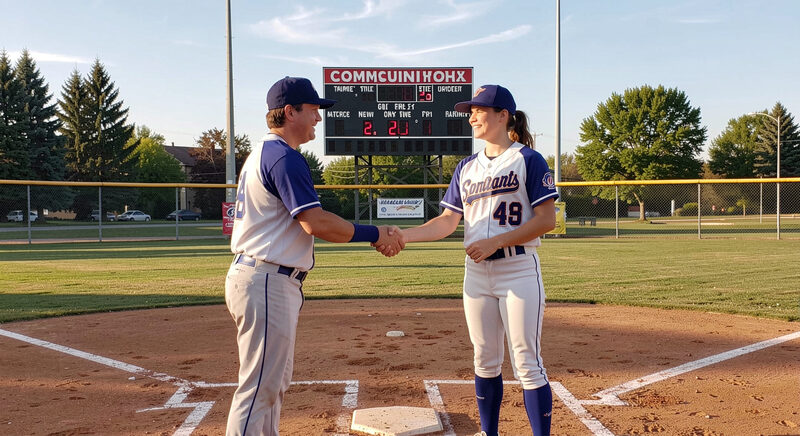
Ask anyone who has played adult softball for a decade what they remember and they will rarely mention a score. They remember the team name that made everyone laugh, the sponsor who quietly paid the league fee, the work party that turned a muddy field into a playable one, and the tournament weekend that raised money for a family in trouble. The game is the reason people show up, but the community is the reason they keep showing up.
This section covers the life around the field: the news that marks a season, the tournaments that punctuate it, the volunteers who make it run, and the long tradition of community softball that predates almost everyone currently playing. Understanding that culture is part of understanding the game.
What Kind of News Marks a Season
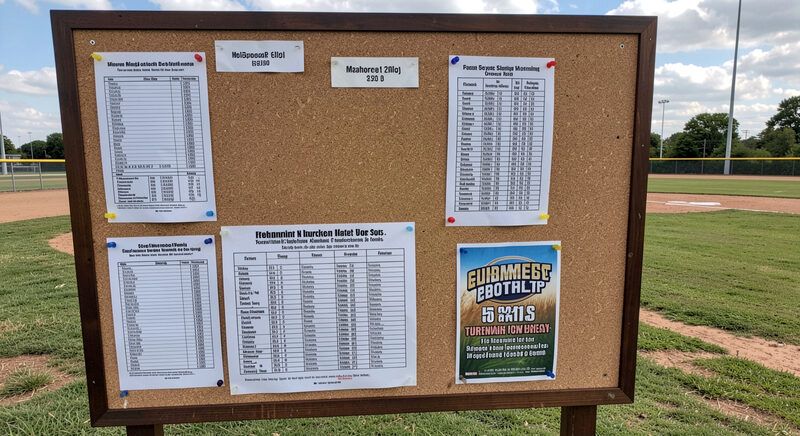
A league season has a rhythm, and its news follows that rhythm. In the weeks before play, the notices are about sign-ups, fees and the deadline to enter a team. In the first week, the notices are about bat checks and field rules. Mid-season brings work parties, tournament announcements and reminders about the alcohol and practice policies. Near the end, the notices turn to playoffs, finals and the date of the awards night.
A player who reads those notices stays out of trouble and rarely misses anything important. The page on league news and the season rhythm explains the recurring notices that appear in almost every adult program, from the first-week bat check to the end-of-season finals, and why each one exists.
Why Team Names and Sponsors Matter
Adult softball teams name themselves with a freedom that organized sport rarely allows, and the names become part of the league's character. A roster might be named after a local business, a running joke, a song or a misspelled word that stuck. The name goes on the schedule, the standings and the shirt, and over a season it becomes an identity that players defend with real pride.
Sponsors keep many leagues affordable. A bar, a garage, a dentist or a family business pays part or all of a team fee, and in return the name appears on a shirt or a banner. That relationship is one of the quiet engines of community sport. A team that keeps a sponsor happy for years is doing more for the league than any single win.
How Do Weekend Tournaments Fit In
Tournaments are the special occasions of adult softball. A league might host a weekend event to raise money for a cause, to crown a mid-season champion, or simply to give teams a taste of competition beyond the regular schedule. Some are local and casual, run on the same fields the league uses all season. Others draw teams from across a region and run from Friday night to Sunday afternoon.
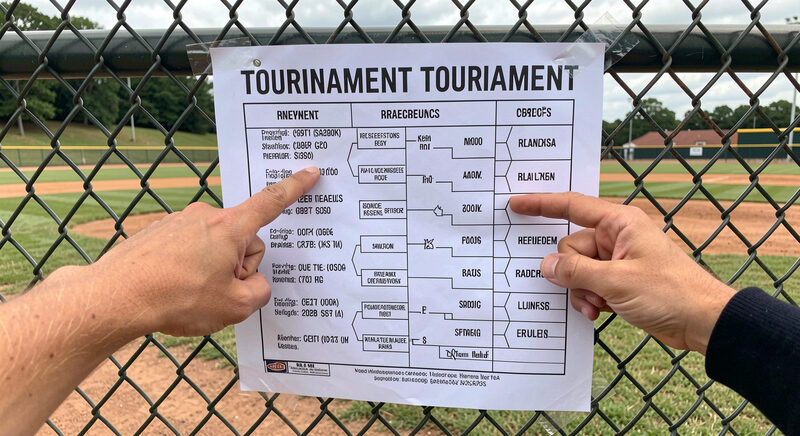
The structure of a tournament is different from a league season, with pool play, seeding and elimination brackets deciding a champion in two days. The guide on how softball tournaments work explains the draw, the brackets and the rules that keep a weekend on schedule, including run rules and time limits.
What Does Volunteering Actually Involve
Community softball runs on unpaid labor, and there is a job for almost anyone. Someone has to line the fields, someone has to keep the scorebook, someone has to run the snack bar, and someone has to sit on the board and argue about fees. Work parties before the season clear weeds, repair fences and drag the infield. A league that offers a discount on team fees for volunteers is telling the truth about how much that labor is worth.
Volunteering is also the fastest way to become part of the community rather than just a name on a roster. A player who helps line a field on a Saturday morning knows the league in a way that a player who only shows up for games never will. The volunteer work is unglamorous and it is the reason the games happen at all.
How Long Has Community Softball Been Around
Recreational softball in the United States took shape in the decades after the Second World War, when returning workers and growing suburbs produced a boom in company teams, church leagues and municipal programs. By the 1970s and 1980s, slow pitch had become one of the most widely played adult sports in the country, and towns across the South and West built fields to meet the demand. Inland Southern California, with its long warm evenings and growing population, was part of that wave.
The game has changed since then. Metal bats gave way to bat standards, insurance costs rose, and leagues learned to run on software instead of paper. But the basic scene, a field under lights, two teams in mismatched shirts and a handful of volunteers keeping it going, has been remarkably stable for generations. A community league is a small institution with a long memory.
How Do You Get More Involved
The path from newcomer to fixture is short. Play a season. Learn the names of the people who run the league. Offer to help with a work party or a tournament. Volunteer to keep score or to run the scoreboard. Each small task teaches something about how the league works, and each one makes the next season easier for everyone.
Most leagues are desperate for help and grateful for any of it. A player who shows up early, stays late and does not complain about the fields becomes the kind of person a league is built to keep. The league play section explains how the season is organized, and the gear and safety section covers what to bring. The community is what turns a schedule of games into something worth remembering.
Where to Start
Start by reading the league news and showing up to the first work party of the season. Introduce yourself to a board member. Offer one small piece of help. Then play, and let the season teach you the rest. Community softball rewards the people who show up, and the reward is not the trophy. It is a standing invitation to a game every week, with people who are glad to see you.
The culture index on this page covers the parts of league life that sit outside the box score: team names, sponsors, tournaments, volunteering and the history of the game. The same habit of reading a place before acting shows up along the coast, where surfers study how a wooden plug sits in calm water or current before choosing one. That craft is documented in a guide to wooden plug families, which describes how each family behaves and how a shoreline is read first.
Community and Culture
League News and the Season Rhythm
See the notices that mark an adult softball season: sign-up dates, first-week bat checks, work parties, tournament calls and end-of-season finals.
The notices that mark a season from sign-ups to finals.
Community and Culture
How Softball Tournaments Work
See how a weekend softball tournament runs: the draw and seeding, pool play, single or double elimination, run rules, time limits and tiebreakers.
Draw, pool play, brackets and the rules that fit a weekend.
Community and Culture
Cape Cod Bay: Tides, Shoals and the Softball Season
How the tide sets the working window at Rock Harbor, what Billingsgate Shoals does to a season, and what each month of the year offers in Cape Cod Bay.
Community and Culture
The Snaefell Mountain Course: Length, Start and Corners
A plain guide to the Snaefell Mountain Course: its 37.73-mile length, where it starts in Douglas, its named corners and why Bray Hill matters.